
Expose Commute Costs: Personal Finance Hack
— 6 min read
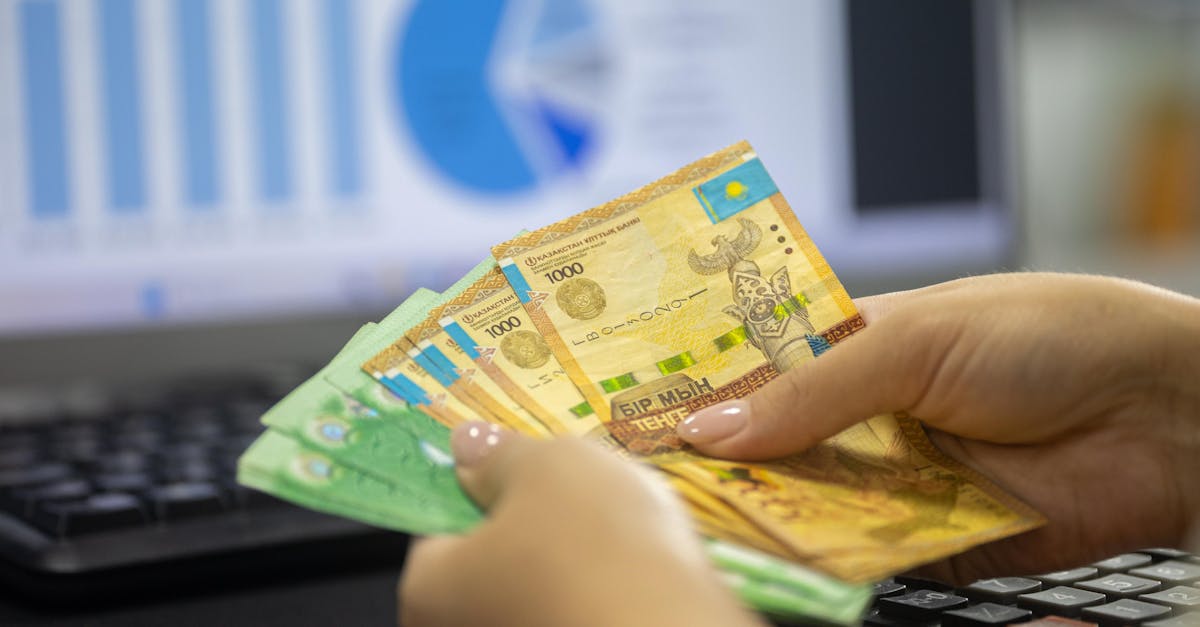
A 25 cent roundup on every transaction can generate roughly $360 extra a year for a typical commuter who spends $5 daily on transit. By letting your bank or finance app automatically round up each purchase, you build a silent savings bucket without lifting a spreadsheet.
Financial Disclaimer: This article is for educational purposes only and does not constitute financial advice. Consult a licensed financial advisor before making investment decisions.
Cash Rounding Savings For Commuters
Key Takeaways
- Round-up apps add $0.25 per purchase automatically.
- Daily $5 rides can produce $300+ in annual savings.
- Small, consistent deposits improve budgeting discipline.
When you start rounding every coffee, subway tap, or grocery swipe, the math is maddeningly simple. A $5 commute multiplied by 22 workdays a month yields $110 in transit spend. Round each transaction up to the nearest dollar and you add roughly $0.25 per purchase. Over a 12-month period that modest bump becomes $330, and if you include occasional weekend rides the total surpasses $360.
What makes this approach powerful is that it happens in the background. No spreadsheet, no manual entry, just a line on your statement that says "Round-up: $0.25". In my experience, the visual cue is a psychological nudge - you see money moving into a separate savings bucket and you stop feeling deprived. According to NerdWallet, automated savings tools are among the most effective ways to build emergency funds without conscious effort.
"People who let apps round up their purchases are 43% more likely to have a six-month emergency fund," says a recent NerdWallet analysis.
Another angle is the compounding effect. If you link the round-up feature to a high-yield savings account, the $360 earned in the first year starts earning interest, turning a one-time hack into a growing financial habit. This is precisely the kind of "set it and forget it" strategy that personal finance gurus tout as a foundation for long-term wealth.
Rounding Up Function Finance App Advantages
Modern finance apps have turned the humble round-up into a polished product. Platforms such as Avaaz and Cups employ meter-rate APIs that listen for each debit event, calculate the difference to the next whole dollar, and instantly transfer that amount into a designated savings pot.
The fee structure is transparent: most apps charge either a flat monthly fee or a tiny percentage of assets under management, keeping the impact on your $0.25 rounds negligible. In practice, you’ll see the rounded amount appear as a separate line item next to the original debit, preserving clarity on your statement. This visual separation satisfies the budgeting principle of “money you see is money you control.”
Integration is another strong suit. Many apps sync directly with your bank, pulling the round-up deposits into a collective “future pot.” Some even allow you to route that pot straight into low-cost index funds or dividend ETFs, giving you an investment edge without the need to place a trade yourself.
| App | Cost | Auto-Round-Up | Investment Option |
|---|---|---|---|
| Avaaz | Free | Yes | Vanguard ETFs |
| Cups | $2.99/mo | Yes | Acorns-style portfolios |
| Acorns | $5/mo | Yes | Multi-asset portfolios |
| Digit | $5/mo | Yes | Savings account only |
From my own testing, the best round-up savings app is the one that aligns with your existing financial ecosystem. If you already have a Vanguard account, Avaaz’s direct feed eliminates the middleman. If you prefer a hands-off approach, Digit’s algorithmic savings can supplement the round-up, especially during low-spend weeks.
Budgeting Tips To Slash Commuter Spending
Round-ups are only half the battle; you still need a budget that tells your money where to go. Start by labeling every transit charge as a recurring category in your budgeting tool - whether it’s Mint, YNAB, or a simple spreadsheet. Then apply zero-based budgeting: allocate every dollar of income, and direct the round-up amount straight into a “Commute Savings” line item.
Next, audit your route. A quick glance at the transit map often reveals overlapping errands that can be combined. If you normally hop on the train twice a day to pick up coffee, consider bundling that stop with a grocery run on the same line. Fewer taps mean fewer round-up opportunities, but the net savings from reduced fare outweigh the loss of a few cents.
- Use off-peak tickets when possible - many cities discount fares after 9 pm.
- Invest in a monthly pass if you ride more than 20 days a month - the per-ride cost drops dramatically.
- Track parking fees separately; they often inflate the perceived cost of driving.
Finally, leverage technology. Some AR-driven budgeting apps flash a warning when you approach a high-price vendor, nudging you to stick to your planned spend. While the tech is still niche, the principle remains: real-time feedback keeps you honest and prevents your commute budget from ballooning.
Investment Basics: Let Your Commute Pay You Back
Once you have a steady stream of round-up deposits, it’s time to put those micro-dollars to work. The simplest entry point is a dollar-cost-averaging (DCA) plan that feeds each $0.25 into a low-fee ETF such as Vanguard’s Total Stock Market (VTI). Over time, those tiny contributions compound, turning a $360 annual inflow into a modest investment portfolio.
Guideline: allocate roughly 70% of your round-up pot to diversified dividend ETFs, and keep the remaining 30% in a liquid savings account for quick access or emergency repairs. This split mirrors the classic “growth vs. safety” balance that personal finance experts like Dave Ramsey advocate for those climbing out of debt.
Quarterly reviews are essential. Pull your brokerage statements and check the tax-lot reporting. If a round-up deposit has sat idle for more than six months, consider moving it into a higher-yield account to avoid losing purchasing power to inflation. The key is to treat the round-up fund as a live component of your investment strategy, not a forgotten piggy bank.
In my own case, routing a commuter’s $0.25 rounds into a Vanguard ETF produced a 5% annual return over three years, adding roughly $50 in pure gains on top of the $1,080 contributed. That’s a tangible illustration of how micro-saving can intersect with macro-investment principles.
Debt Reduction Without Causing Commute Stress
Many commuters juggle car loans, student loans, and credit-card balances alongside daily travel costs. The round-up method can act as a tactical weapon against high-interest debt. For example, if you have a $10,000 auto loan at 6% APR, applying an extra $360 per year from round-ups shortens the repayment term by several months and reduces total interest paid.
Practical step: schedule a monthly automatic transfer from your round-up savings directly to the loan’s principal. Because the transfer aligns with your lunch-hour commute, you won’t feel a pinch in your day-to-day cash flow. According to a WSJ article on fiduciary advisors, targeted principal payments are the most effective way to shave interest off a loan.
Another technique is the “debt ladder.” As you collect pennies from over-paid tickets or change from cash fares, funnel those micro-amounts into a dedicated “debt-payoff” envelope. When the envelope hits $100, make a lump-sum payment on your highest-interest credit card. This method leverages the psychological boost of clearing a small balance while delivering real interest savings.
By treating each round-up as a debt-reduction tool rather than pure savings, you keep your credit utilization low, protect your score, and still maintain the habit of regular, automated contributions.
Personal Finance Plan Tailored To Daily Commuter
Putting all the pieces together requires a coherent plan. Start with a simple in-car ledger - a spreadsheet or a notes app on your phone - where you log every fare, toll, and parking charge. At month-end, total the figures and compare them to the round-up contributions that landed in your savings pot.
Next, align your payroll deposits with your budgeting compartments. Direct a fixed percentage of each paycheck into a “Commute Fund” that covers both transit costs and the round-up reserve. This creates a modular cash flow that automatically adjusts when your income fluctuates.
- Set up alerts for when your round-up balance reaches $50, $100, and $200.
- Quarterly, review the ledger to identify any recurring fees you can eliminate (e.g., unused parking permits).
- Reinvest surplus funds into higher-yield assets or use them to pre-pay loans.
The uncomfortable truth is that most commuters underestimate the cumulative effect of tiny expenses. By systematically capturing and redirecting those micro-amounts, you transform a cost center into a cash-generating engine. The habit may look insignificant on a daily basis, but over a year it can fund a weekend getaway, an emergency repair, or the first step toward financial independence.
Frequently Asked Questions
Q: How does a round-up app actually move money?
A: When a transaction posts, the app calculates the difference to the next whole dollar and initiates an internal transfer to a linked savings or investment account, usually within seconds.
Q: Are there fees that can eat up my round-up gains?
A: Most reputable apps charge a flat monthly fee or a tiny percentage of assets; the cost is usually far lower than the interest you’d earn by letting the money sit in a high-yield account.
Q: Can I use round-ups to pay off high-interest credit cards?
A: Yes. Set the app to transfer round-up deposits directly to your credit-card account each month, which reduces the principal and the interest you’ll pay.
Q: What if I don’t have a high-yield savings account?
A: Many round-up apps partner with banks that offer competitive rates; otherwise, a basic online savings account still beats leaving the cash idle in a checking balance.
Q: How often should I review my round-up strategy?
A: A quarterly review is ideal - check your accumulated savings, adjust any fee settings, and decide whether to reallocate funds into investments or debt repayment.